
Andare A Casa – Through the flavours of food, Abruzzo Lab is telling an Italian story
One thing is universal in life and that is the human connection formed through and to our food. Flavours paint cultures, recipe books are home to heritages, and links to countries are maintained through cooking traditions. Food tells a story, and a curated menu reflects this. For Michelle Di Pietro, Head Chef and Director of Abruzzo Lab, her own connection to food is what brought this Italian restaurant to life. While speaking with Melbourne Wedding & Bride’s Alice O’Brien, Di Pietro explains how everyone deserves to feel a certain bond to their dishes, especially during the day where a tale of love is being told through a curated menu.
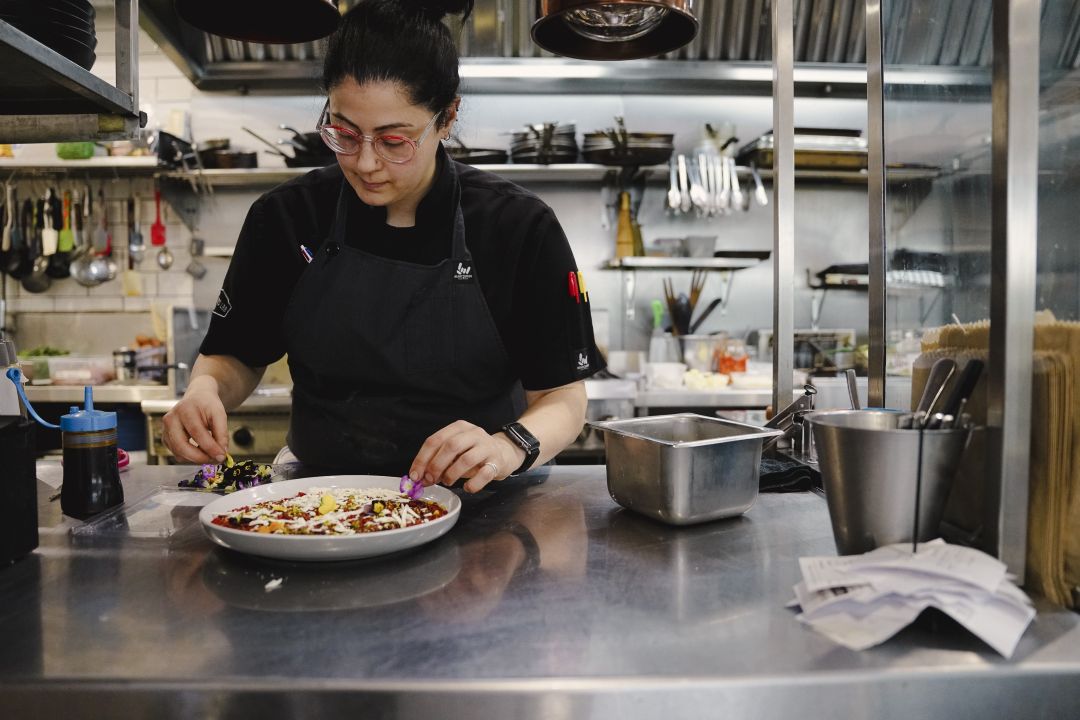
Rising with the sun in the early hours, Di Pietro would meet her Nonna Ines in the family kitchen to make fresh pasta. Now, a distant childhood memory, this simple routine became Di Pietro’s earliest cooking lessons. Formed through her Nonna’s guiding hands folding the fresh dough into delicate strands, through the puffs of flour that weaved with the morning air and the stories of how a recipe plays its own role in connecting the Di Pietro family to their Italian heritage.
How? The power of food. Conversations shared over Sunday lunches, recipes and the way ingredients are prepared are all food traditions laced with the ability to preserve heritage.
“Growing up in Melbourne, Italy could feel geographically very far away, but culturally it was always present,” explains Di Pietro. When reflecting on her childhood and moments with her Nonna, “it was only as I become older that I started to understand how much of my identity have been shaped by them.” The need to feel a connection to identity is a desire that is incredibly human – to understand where family traditions are born. For Di Pietro she wanted to understand her heritage “beyond the stories I had heard growing up … I wanted to see the places, meet the people, experience the lifestyle and importantly for me, understand the food at its source.”
“There is a big difference between knowing where your family comes from and actually standing there yourself,” says Di Pietro.
And so, after qualifying as a chef in Melbourne, she made the decision to leave all she knew and experience the place where her family recipe book was born and watch those pages come to life.
The Plane Ticket Location? Abruzzo, Italy.
A beautiful blend of wild mountains and villages filled with cobble lined roads all tucked within valleys are set along the Adriatic coastline. Abruzzo’s environment is a vast natural wonder. With a region carrying such diversity, the Abruzzese cuisine itself is incredibly diverse – a true reflection of the land it comes from.
But for Di Pietro it was the simplicity at the country’s heart that she instantly noticed, saying “there’s this incredible ability in Abruzzo to take very simple ingredients and create something memorable,” as “traditionally, people cooked with what they had available and learnt how to make those ingredients extraordinary.”
She spent her time with local chefs, preparing and cooking food in the traditional style, and when asked if she learnt any la cucina culinary secrets, she laughed saying the “biggest secret of all is that there often isn’t a secret ingredient!”
While Di Pietro flew to Abruzzo to learn the true Italian way of cooking, she also discovered the way people gathered around food. No matter where or what, from standing or sitting to cheese or meat, Di Pietro found “there was always a sense that the food was connecting everybody.” She was taught traditional cooking techniques, but more than a collection of recipes to bring back, she understood the feeling food can offer: connection.
Sparking the Inspiration for the Lab’s Creation
Upon returning to Melbourne, Di Pietro had a new goal, explaining “I wanted to recreate that feeling of sitting around a table where food keeps arriving, conversation gets louder, nobody is watching the clock and you feel completely welcome … I kept thinking about how I could translate that feeling into something people here could experience.”
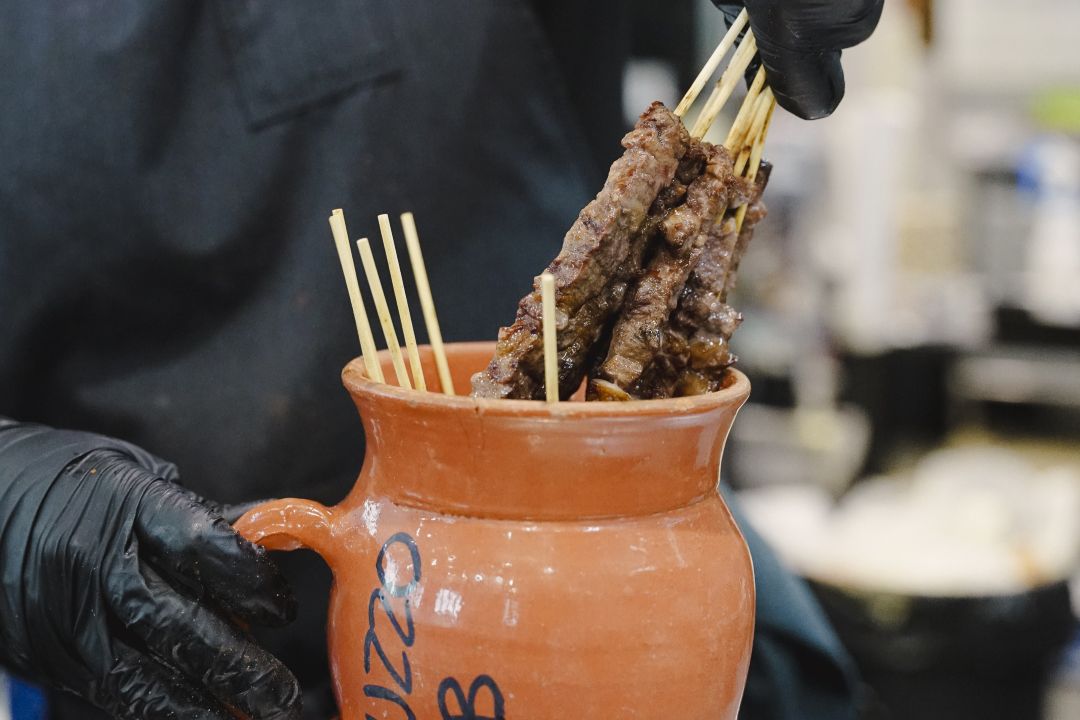
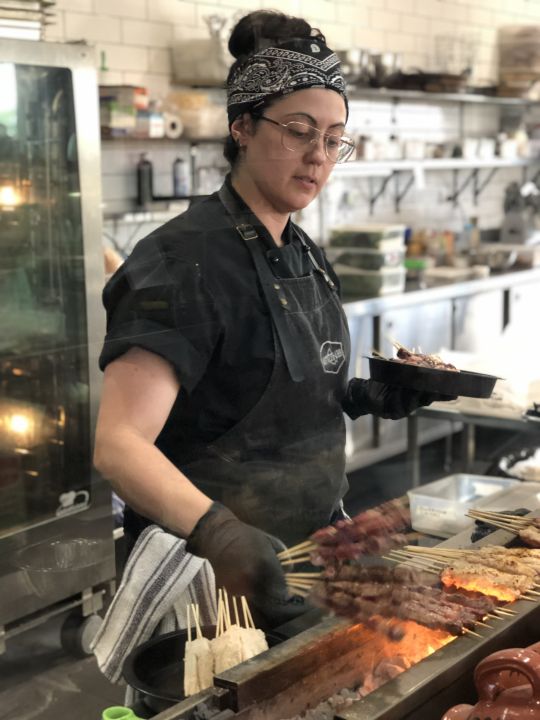
Eventually, the idea of Abruzzo Lab came to her saying “my heritage gave me the foundation, Abruzzo gave me the inspiration and Melbourne gave me the opportunity to create something from both.” Initially beginning as a restaurant, Abruzzo Lab has grown into catering events, sharing not only the food of Italy, but the Italian hospitality that comes with it. For those unfamiliar with the tastes of Abruzzese cuisine, Di Pietro describes the flavours of a food at the labs’ heart, that being a simple lamb skewer, known as Arrosticini:
“The outside develops this beautiful char while the meat stays tender and juicy … there is smokiness, salt, the richness of the lamb and that unmistakable flavour you only get from cooking over charcoal.”
Her journey, from Melbourne to Abruzzo then back again, demonstrates the way cooking is communication. A way to tell someone about your family or heritage through flavours more powerful than words. And when prepared correctly with heart, food can tell any story, including that of love.
A Place for Weddings
A wedding menu deserves to have its dishes be the dishes a couple is connected to, and Di Pietro helps make this connection happen by offering wedding catering.
“Today couples often come from different cultural backgrounds, and food can become the meeting point between two families and two histories,” she says.
The team at Abruzzo Lab always starts their catering service the same, and that is by listening to the couple, discovering what food means to them and how they want their guests to feel. It’s important to note, the term catering extends far beyond the food on your plate but to the whole dining experience.
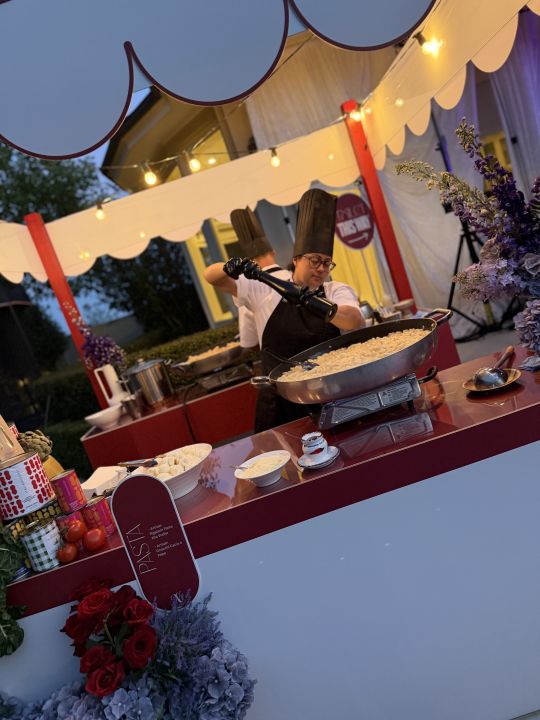
The wedding is exactly where Italian hospitality thrives, with Di Pietro saying, “it’s about generosity, abundance and bringing people together.” One of Di Pietro most memorable wedding catering moments involved the labs offering of live cooking stations, “you might have pasta being finished in front of guests, prosciutto being hand-cut or meat cooking over charcoal, and suddenly people aren’t waiting for their meal to arrive …. they’re gathering around, watching, asking questions, smelling what’s cooking and talking to one another.”
There’s something quite special in knowing you don’t need to have the same background, traditions or even language to be able to sit at a table and share a meal, and for Di Pietro “ultimately, that’s what food has always been for me, a way of bringing people together.”
Images courtesy of Abruzzo Lab